

Sleep and bedtime health for children and young people
As the nights are drawing in and our clocks change for the winter months, YAA Social Worker, Maisie wanted to share some useful training she took with The Sleep Charity about the importance of sleep and bedtime.
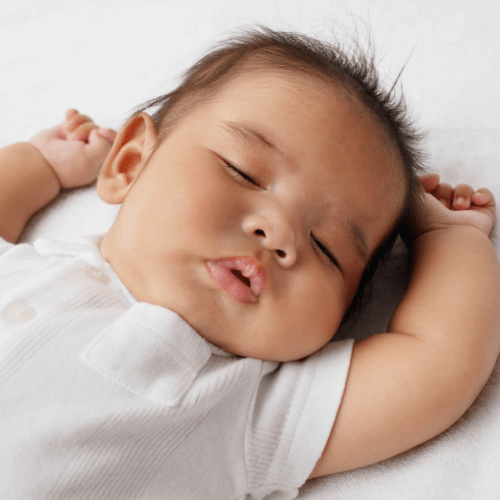
Sleep and bedtime routine
Sleep and bedtime should be a positive experience for children and young people.
Statistics show that;
- 50% of children and young people will have sleep issues at some point
- 80% of children with SEND needs will have sleep issues at some point
- 40% of adults will have sleep issues at some point
Types of sleep
We have 2 types of sleep:
- REM- rapid eye movement sleep
- Non-REM- non-rapid eye movement sleep
When we first fall asleep we are in REM sleep
This is when our dreams take place, our breathing quickens and heart rate and blood pressure increase.
The time it takes to move into Non-REM sleep is dependent on the individual.
Non-REM sleep has 3 stages:
Stage 1: lightest sleep – this is when a child can easily wake up, jerk in their sleep, and has the sensation of falling
Stage 2: progressing to deeper sleep – this is when your heart rate and blood pressures begins to drop, preparing you for deep sleep
Stage 3: deep sleep – this is when your child will be more difficult to wake and is the most important stage of sleeping
We have sleep cycles of both REM and non-REM sleep. Each cycle lasts for around 90-110 minutes
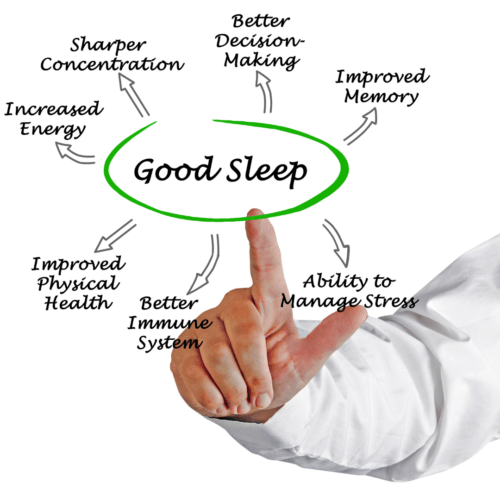
good sleep is important
Lack of sleep
Lack of sleep can lead too:
- Impaired Judgment
- Short term memory
- Being irritable
- Reduced Logic
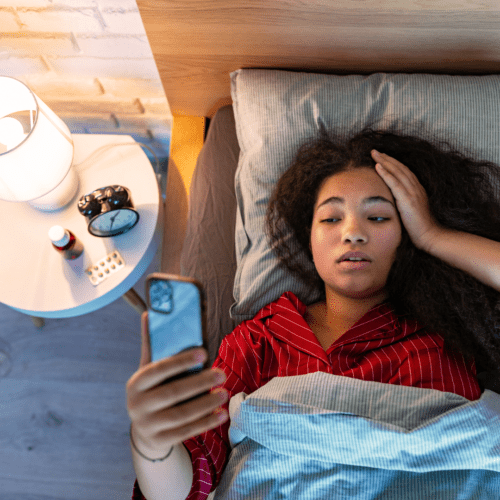
What can disturb your sleep
Behavioural Approach
Most sleep issues are behavioural and not medical, this means that most sleep battles can be tackled without medication using the correct tools.
The first step is to explore the issues:
Common causes:
- Poor routine – try and keep a consistent night time routine, even on weekends.
- Diet, hunger or thirst- if a child goes to sleep hungry or thirsty they are more likely to wake up during the night. Try adjusting meal times to suit bedtime.
- Medical issues – children with medical diagnoses may struggle more to sleep.
- Napping at inappropriate times- some children, especially young, still need a nap throughout the day, however it is important to not allow them to be for long periods of time as this will then affect the bedtime routine.
- Screen time – going on iPad, tablets, phones etc. just before bed can affect the brains ability to switch off when you want it to.
- Lighting – some children prefer to sleep with a lamp or night light on (this may be one of their sleep associations), however this can also affect their sleep.
- Our body produces melatonin which helps us to fall asleep.
- Darkness can increase the production of melatonin, so if it is light in the bedroom this can slow the process down.
- Anxiety can cause lots of different sleep-related problems. Some children associate the word ‘sleep’ with negative things, for example we may say ‘our pet has been put to sleep’. Make sure to put something in place so a child knows they are going to wake up, maybe a job they may need to do the following day or giving them a soft toy to look after throughout the night and before bedtime saying ‘can you look after this for me tonight and give it me back in the morning’.
Sensory considerations:
Consider how some of the senses can affect sleep, for example:
- Some children may be smell sensitive, so cooking while they are in stage 1 of sleep could easily waken them.
- Children who are touch sensitive may be overly sensitive to blankets
Every child and family is different and there is no perfect cure for sleep. The key is being consistent.
For further help, advice and resources, visit Useful Resources – The Sleep Charity or call their helpline 01302 751416.