

Supporting your children to talk about race and racism can feel daunting, especially if you didn’t grow up having these conversations yourself. But as parents and caregivers, we have a powerful role to play in shaping how our children understand fairness, identity, and justice.
Whether your child has witnessed racism, asked questions about current events, or simply wants to understand the world better, here are some practical ways to support them—alongside resources that can help guide you.
Fairness and Empathy
Children understand fairness from a young age. Use relatable examples to explain racism and privilege. For example:
- “If I gave your sister five sweets and only gave you one, would that feel fair?”
- “If someone was treated badly just because of their skin colour, how would that make them feel?”
These simple analogies help children grasp complex issues like white privilege and systemic injustice.
Age-Appropriate Resources
The Parent’s Guide to Black Lives Matter offers a wealth of tools for families, including:
- Books like Hair Love and Little Leaders for younger children.
- Films such as Hidden Figures and Queen of Katwe for family viewing.
- Podcasts and documentaries for older children and parents to explore deeper issues.
These resources help children see diverse stories, heroes, and histories beyond narratives of struggle.
Celebrate Positive Role Models
Black History Month which is celebrated in October each year, is a good place to start when thinking about role models. Places in your area may have events in October as part of this. Introduce children to inspiring figures like Magid Magid,Sheffield’s youngest Lord Mayor and a Somali-British activist.
His story, available through BBC Bitesize, touches on themes of immigration, resilience, and community leadership—perfect for KS2 learners.
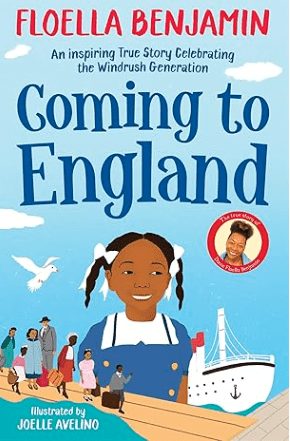
Visit Sheffield Stories: Caribbean Footsteps at Weston Park Museum, which celebrates the contributions of the Windrush generation to the city. This exhibition is open until 2027 and offers a local lens on Black British history.
You can also view Leeds museum’s online exhibition to the Windrush generation, Sorrel and Black Cake: A Windrush Story. Explore stories of the migration and settlement of Windrush migrants and their families.
Talk About History Honestly
Help children understand that racism isn’t just a thing of the past. The effects of slavery, colonialism, and systemic bias are still felt today. Use examples like:
- The Windrush scandal
- The Grenfell Tower Inquiry
- Everyday discrimination in schools, media, and workplaces
Help for talking about these examples can be found in The Parent’s Guide to Black Lives Matter.
Older children may benefit from learning about figures like Malcolm X, Nelson Mandela, and Rosa Parks, and exploring how their actions shaped history.
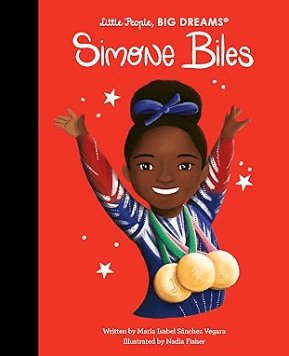
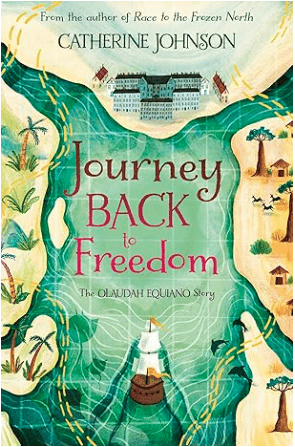
See below some great children’s books that give an honest account of racism from people with lived experience.

Encourage Action and Allyship
Even if your child isn’t directly affected by racism, they can still be part of the solution. Your children can:
- Speak up when they see unfairness
- Listen to others’ experiences
- Reflect on their own biases
- Celebrate diversity in their friendships, media, and learning
As the Parent’s Guide to Black Lives Matter reminds us, “Being a role model through action” is one of the most powerful ways to teach anti-racism.
Keep the Conversation Going
Race and racism are not one-time topics. Keep the dialogue open, honest, and ongoing. You can ask your child:
- What do you know about race?
- Have you ever seen someone treated unfairly?
- What would you do if you saw someone being bullied because of their identity?
By creating a safe space for these conversations, you help your child grow into a compassionate, informed, and courageous individual.
Supporting your child through conversations about race isn’t about having all the answers—it’s about being willing to learn, listen, and lead with love.
With the right resources and mindset, you can help your child become part of a more inclusive and just future.
All through October we will be sharing resources, guides and information to help you support your children to talk about racism and celebrate Black History Month.