

World Afro Day (15th September) is a global celebration of Afro hair, culture, and identity, and a call to action against the discrimination that Black people continue to face because of their natural hairstyles.
For children in care and adopted children of African or Caribbean heritage, Afro hair care is more than grooming—it’s about identity, pride, and belonging.
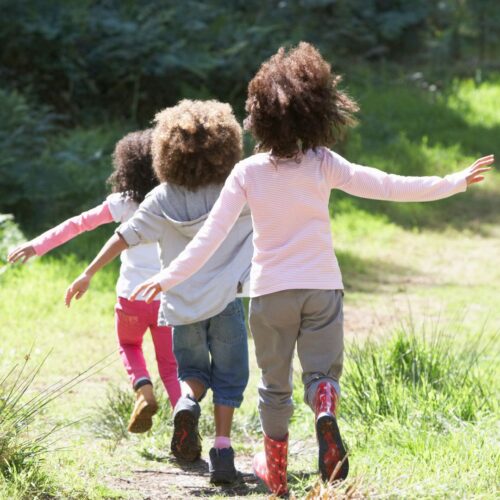
World Afro Day: A day for celebration, reflection and action
Why hair care matters – for everyone
Hair care is about more than just appearance—it’s about dignity, comfort, and identity. For children, especially those in care or adopted, how their hair is treated can deeply affect how they feel about themselves, their carers and how they connect with peers.
Hair is one of the first things people notice, and for many, it’s a powerful form of self-expression. This includes when a child looks back at themselves in a mirror. When children are supported in caring for their hair—whether it’s curly, coily, straight, wavy, thick, or fine—they learn that their natural features are worthy of care and celebration.
Children in care can sometimes face disconnection from their cultural roots – whether this is a move to foster carers or their adoptive family. For Black and dual heritage children, this can include feeling more pressure to conform to Eurocentric beauty standards, especially if their new carers or family are white themselves. Sadly, it can also lead to not having their hair properly cared for resulting in:
- Physical discomfort: Tangled or matted hair can be painful to detangle, and in severe cases, may need to be cut off.
- Emotional distress: Feeling “different” or “less than” because of how your hair looks or is treated can impact self-esteem.
- Disconnection (to their history, culture and their birth family too): For children of African or Caribbean heritage, not seeing their hair represented or cared for properly can lead to a loss of cultural identity, especially if care differs between homes.
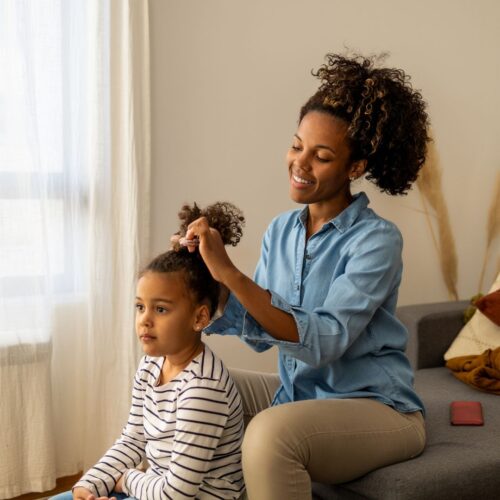
World Afro Day 2025
What we’ve learned from adoptees and adoptive parents
Sadly, we do know from our own adopters and from adoptees that Poor hair care is a recurring issue, with adoptees reporting that having their hair cut short and not appropriately managed, leading to emotional distress and feeling “abnormal”. Adopters have also reported to us that they’ve heard negative comments about their children’s care, and have had to spend weeks helping to recover damaged hair.
What we’ve also heard is the power of supportive and celebrated hair care. Positive hair care routines can:
- Build confidence and pride
- Strengthen bonds between children and carers
- Encourage healthy habits and self-love
- Reinforce cultural identity and belonging
When carers understand and celebrate Afro hair, it sends a powerful message: you are seen, valued, and worthy just as you are. This includes all of their history and full identity.
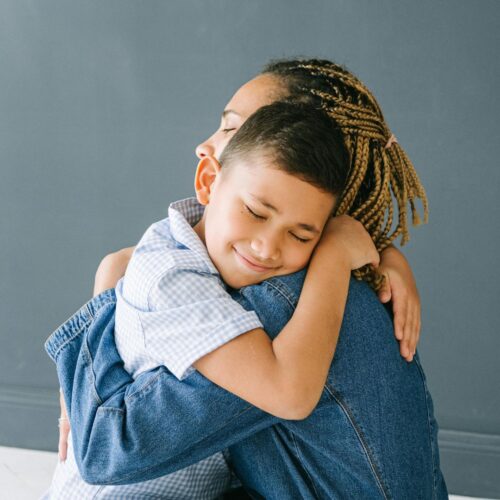
Tips for Adopters and Prospective Adopters
If you’re considering adoption and may be caring for a child with Afro hair, here are some practical steps to support their identity, care and wellbeing:
- Learn about Afro hair care early in your journey. Look into local support, including shops that sell Afro hair products and salons or barbers who specialize in Afro hair. Don’t be afraid to go and take a look, ask questions, ask around.
- Ask questions: Speak to the child’s social worker or foster carer about how they care for the child’s hair—what products they use, how often it’s washed, and any routines that are important. You may need to follow this routine, you may also need to address or be prepared to manage a lack of care if this has taken place.
- Diversify beauty standards: Make sure your child sees a variety of beauty images in your home, books, and media—not just Western or Eurocentric ones. Representation matters.
- Talk about history: Don’t shy away from conversations about the history of beauty standards in the UK and how they’ve affected Black communities. These discussions help build understanding and pride.
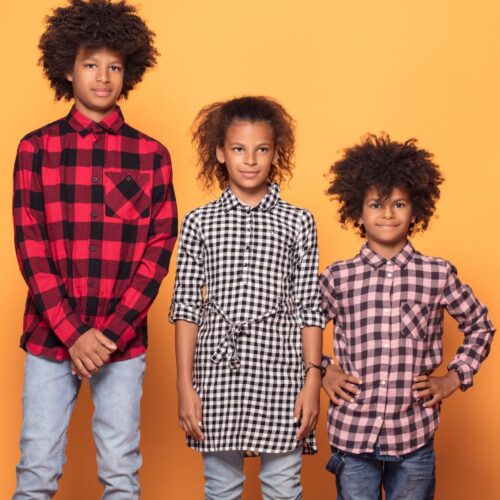
Resources and initiatives to help you learn more about Afro hair celebration and care:
This initiative advocates for better care of Black children in the care system, including proper hair care. Their work highlights the emotional impact of neglecting Afro hair and offers training and directories for carers.
🔗 Hair Care Initiatives for Black Children in Care
Founded by a foster carer, Replenish Culture provides hair and skin care boxes for Black and mixed heritage children in care. Their website also includes useful information about hair care and products: 🔗Replenish Culture C.I.C
World Afro Day offers free educational resources for schools, including lesson plans, assemblies, and videos that help children understand and celebrate Afro hair.
🔗 World Afro Day Education Resources
🧼 Hair Care Tips for Adoptive Families (focused on transracial adoption and US based)
This guide offers practical advice for adoptive parents, including how often to wash, moisturise, and style Afro hair, and how to build a positive routine.
🔗 Hair Care Tips for Adoptive Children
🎥 Watch Hair Love, the Oscar winning short film from Matthew A. Cherry
We hope you enjoyed our blog. Learn more about YAA’s Community Project here!